Rumors and misinformation can spread at unprecedented speed online, especially when they concern high-profile figures. In recent months, social media platforms and fringe forums have seen a surge in discussions surrounding alleged assassination attempts on Charlie Kirk, the founder of Turning Point USA and a prominent conservative commentator. The proliferation of these claims raises pressing questions about information accuracy, public safety, and the broader implications of rumor-driven narratives in today’s polarized media landscape.
Origins of the Charlie Kirk Assassination Rumors
How the Speculation Began
The earliest whispers about an alleged assassination of Charlie Kirk appeared on lesser-known social media platforms. Initial posts were vague, offering no concrete details but instead capitalizing on sensational headlines. As these posts were shared and reshared, larger accounts picked up the narrative, sometimes not verifying the credibility of the original claim. By the time mainstream audiences became aware of the rumor, its roots were already muddied by layers of distortion.
Social Media Acceleration
Misinformation thrives on virality. According to a 2018 study published in Science, false claims are approximately 70% more likely to be retweeted on Twitter than truthful ones. The rumor concerning Charlie Kirk exemplifies this dynamic, as hashtags like #CharlieKirkDead and #AssassinationAttempt trended on multiple platforms within hours.
“Rumors about public figures, especially those with strong partisan divides, can escalate rapidly online, often outpacing attempts at factual correction,” observes Dr. Renee DiResta, a leading authority on digital misinformation.
Platforms have since taken steps to curb the spread of this specific narrative, with Facebook and Twitter labeling certain posts as “false information” based on fact-checker reviews.
Fact-Checking the Assassination Claims
Absence of Credible Evidence
Despite the tidal wave of online discourse, there is no credible evidence or reporting from reputable news organizations substantiating claims of an assassination attempt against Charlie Kirk. Mainstream outlets that cover political violence, such as Reuters, AP News, and CNN, have not reported any such event. Turning Point USA and Charlie Kirk’s own social media channels continue regular updates, with no interruptions in programming or personal appearances.
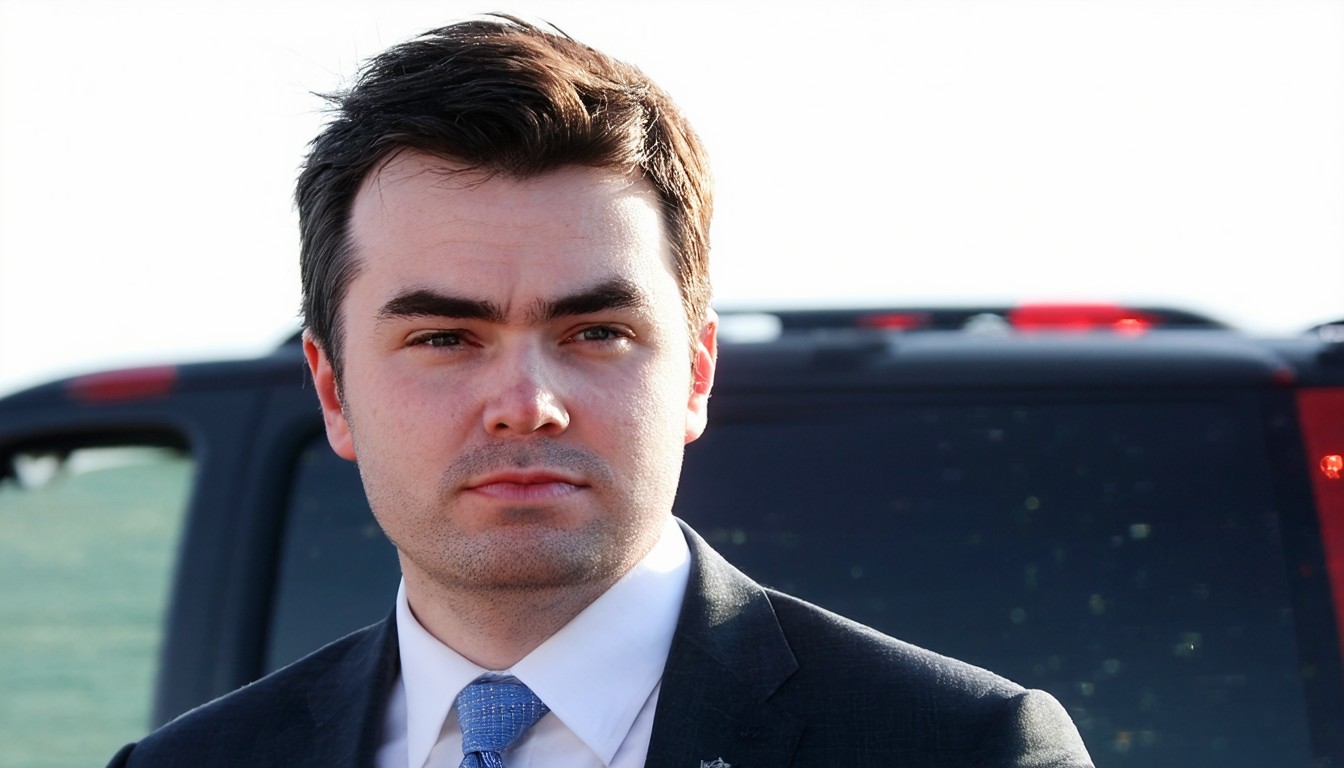
Official Statements and Reactions
Both Turning Point USA and Kirk have briefly addressed the rumors, dismissing them as baseless. In a recent livestream, Kirk stated plainly, “Rumors of my demise are greatly exaggerated. I’m alive and still working every day.” Legal and security experts often remind the public that if a political assassination or attempt thereof did occur, it would trigger immediate and thorough investigation by law enforcement and extensive media coverage.
Comparisons with Previous Public Figure Hoaxes
Charlie Kirk is not the first prominent figure to become the subject of social media death hoaxes or conspiracy theories. Similar rumors have targeted politicians, CEOs, and celebrities. The rapid debunking of such stories often hinges on immediate social media activity by the individual in question, as well as prompt journalism by established media.
Why Do Assassination Rumors Spread So Quickly?
The Psychological Roots
Rumors about high-profile figures tend to exploit existing anxieties and political tensions. Analysts point out that assassination rumors are particularly potent because they intersect with fears about political violence, censorship, and freedom of speech. The human brain’s tendency for pattern recognition and sensationalism further amplifies these effects.
Role of Algorithmic Amplification
Social media algorithms prioritize engagement. Sensational content generates more clicks, comments, and shares, causing reliable information to compete with clickbait. Studies from the Pew Research Center indicate that emotionally charged posts—regardless of their veracity—perform markedly better than neutral updates. This environment facilitates the viral growth of even the most baseless claims.
Real-World Consequences
While many brush off such rumors as mere online noise, the implications can be substantial:
- Distrust in media and institutions intensifies as false stories circulate unchecked.
- The individual targeted by the rumor often faces harassment, threats, or reputational damage.
- Security agencies may need to divert resources to investigate or address public fears.
In the case of Charlie Kirk, several of his public appearances included increased security due to threats and rumors, showcasing the tangible impact of online discourse.
The Broader Impact: Misinformation and Public Discourse
Navigating a Polarized Information Ecosystem
Assassination rumors about Charlie Kirk didn’t emerge in a vacuum. Their spread reflects a broader pattern of distrust and polarization in American public life, where both sides of the aisle are quick to believe the worst of their opponents. Platforms such as Telegram, Rumble, and private Discord channels often amplify news—real or fabricated—outside of the traditional gatekeeping processes of mainstream media.
Responsible Reporting and Digital Literacy
Traditional journalists and digital watchdogs have a complicated role to play in this environment. On one hand, they must track and address emerging rumors; on the other, they need to avoid inadvertently promoting false narratives through coverage. Media literacy organizations, like the News Literacy Project, stress the importance of teaching the public to verify sources, question sensational headlines, and seek out confirmatory evidence before sharing stories.
The Importance of Fact-Based Discourse
Elevating discourse above rumor-driven sensationalism remains a considerable challenge. The spread of assassination rumors illustrates the pressing need for better digital hygiene—not just by individuals, but by influencers and media organizations as well. It is essential that public figures, regardless of ideology, affirm their well-being and promptly address baseless claims to stem the tide of misinformation.
Conclusion: Navigating a Landscape of Rumor and Reality
The “Charlie Kirk assassination” narrative is a notable example of how quickly misinformation can take root in today’s hyper-connected world. Despite the extensive online chatter, there remains zero credible evidence substantiating claims of an attempt on Kirk’s life. For observers and participants alike, the episode underscores the necessity of skepticism, rigorous fact-checking, and personal responsibility when encountering such stories online. More broadly, protecting public discourse from the corrosive effects of rumor demands continuous vigilance and commitment to truth—both by the public and by those who shape the national conversation.
FAQs
Is there any truth to the rumors about Charlie Kirk’s assassination?
No credible news sources or official authorities have confirmed any assassination attempt on Charlie Kirk. The rumors appear to be entirely unfounded and have been widely refuted.
How did the assassination rumors about Charlie Kirk start?
Speculation emerged on lesser-known social media platforms, where vague posts and sensationalist headlines sparked broader attention before being debunked.
Has Charlie Kirk responded to the assassination rumors?
Yes, Charlie Kirk has addressed the rumors publicly, assuring audiences that there is no truth to them and that he continues his professional engagements as usual.
Why do assassination rumors about public figures spread so quickly?
Such rumors blend sensationalism, algorithmic amplification, and psychological triggers related to fear and distrust, leading to rapid dissemination on social media.
What are the dangers of spreading unverified rumors about public figures?
Spreading false information can undermine public trust, cause reputational or safety risks for the individual involved, and divert resources from addressing genuine threats.
How can individuals avoid falling for or spreading misinformation online?
Critical thinking, checking the credibility of sources, and waiting for confirmation from reputable outlets are essential steps to ensure information accuracy before sharing.
